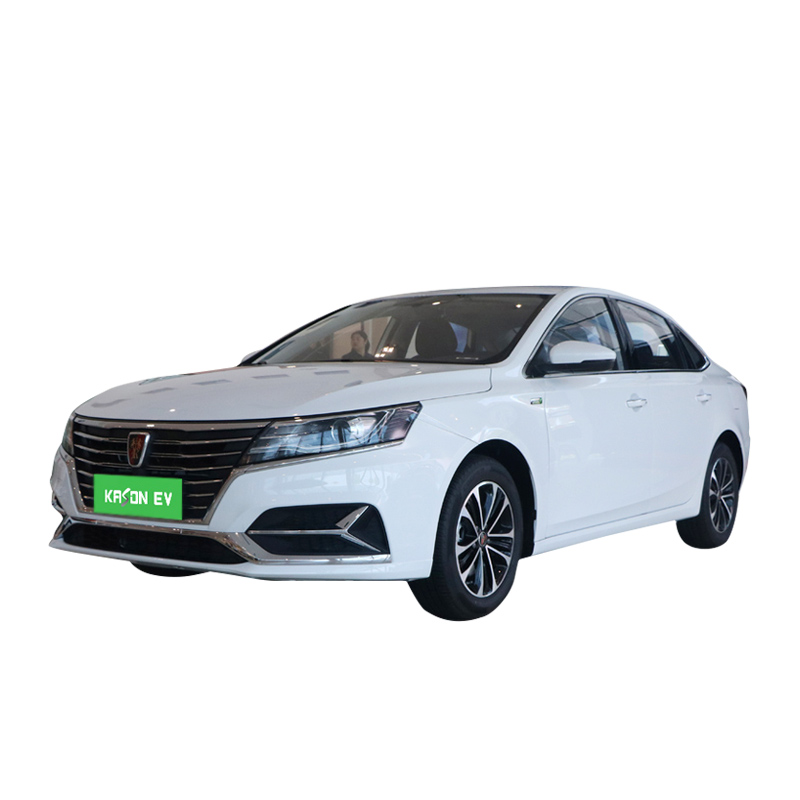
**Electric Cars Manufacturers Accelerate Innovation Amidst Growing Market Demand**The global electric vehicle (EV) market is experiencing unprecedented growth as manufacturers intensify efforts to meet rising consumer demand and government regulations aimed at reducing carbon emissions. Leading electric car manufacturers worldwide are investing heavily in research and development, expanding their production capacities, and rolling out new models that promise longer ranges, improved performance, and greater affordability.In recent years, the automotive industry has witnessed a significant paradigm shift from traditional internal combustion engine vehicles to electric-powered alternatives. This transformation is driven not only by environmental concerns but also by advances in battery technology and growing infrastructure support for EVs, such as widespread charging networks. As a result, multiple manufacturers have established themselves as key players in the electric vehicle space, competing to innovate and capture market share in an increasingly crowded field.**Company Overviews**Several prominent electric car producers have made notable strides in technology and market penetration. One notable company, headquartered in California, has been a pioneer in the EV sector since 2003, focusing on producing high-performance electric sedans and SUVs. With a strong emphasis on sustainable energy solutions, this company has expanded its product portfolio to include energy storage systems and solar technology, aiming to create an integrated ecosystem for clean energy usage.Another major player, founded in Germany, leverages decades of experience in luxury automotive manufacturing to produce premium electric vehicles that combine advanced engineering with elegant design. Their lineup features a mix of all-electric sedans, SUVs, and sports models, appealing to a broad spectrum of consumers seeking both performance and environmental responsibility. The company’s commitment to sustainability is further underscored by initiatives to reduce carbon footprints across its supply chain and manufacturing processes.In Asia, an emerging manufacturer is rapidly gaining recognition for its compact electric vehicles tailored to urban environments. This company has accelerated its growth through strategic partnerships and government-backed incentives, focusing on affordability and accessibility. By developing smaller, efficient EV models with practical driving ranges and competitive pricing, it aims to address the specific needs of densely populated cities, promoting mass adoption of electric mobility solutions.**Technological Innovations**At the heart of this electric vehicle revolution lies cutting-edge technology. Manufacturers are pushing the boundaries of battery chemistry and energy density to extend driving ranges while reducing charging times. Solid-state batteries, considered the next milestone in EV technology, promise safer and more efficient energy storage but are still in the development phase.Autonomous driving features and advanced driver-assistance systems are also becoming standard in new electric models, enhancing safety and convenience. Integration with mobile apps allows drivers to monitor battery health, locate charging stations, and optimize routes for energy efficiency. Over-the-air (OTA) software updates further enable continuous improvement of vehicle performance without requiring physical service center visits.Manufacturers are simultaneously investing in sustainable production methods, including the use of recycled materials and clean energy-powered factories, to minimize environmental impact throughout the vehicle lifecycle. The move towards a circular economy aims to reduce waste, optimize resource use, and promote recycling of batteries at the end of their service life.**Market Trends and Challenges**The EV market is projected to grow exponentially over the next decade, with analysts forecasting that electric cars could account for a significant portion of total vehicle sales worldwide by 2030. Government policies, such as incentives for EV purchases, emission regulations, and bans on new internal combustion engine vehicle sales in certain countries, are primary drivers behind this trend.However, challenges remain. Supply chain constraints, particularly in sourcing critical battery materials like lithium, cobalt, and nickel, pose risks to production scalability and cost control. Additionally, the development of sufficient charging infrastructure, especially fast-charging networks compatible across various vehicle models, is crucial for consumer confidence and widespread adoption.Consumer education and addressing range anxiety—concerns about the distance an EV can travel before needing a recharge—also remain critical. Manufacturers and policymakers are working collaboratively to enhance charging accessibility and develop battery technologies that support longer ranges at affordable prices.**Outlook**As global awareness of climate change intensifies, electric car manufacturers are at the forefront of driving the transportation sector towards sustainability. Their continued innovation and strategic expansion are reshaping how mobility is defined and delivered. By balancing technological advancements with economic viability and environmental responsibility, these companies are setting new standards for the automotive industry.The ongoing shift toward electrification is not without hurdles, but the momentum is unmistakable. In the coming years, consumers can expect a broader array of electric vehicle options with improved features, greater affordability, and growing ecosystem support. This evolution signals a transformative phase in automotive history, one powered by electricity and guided by a vision for a cleaner, greener future.
Read More